A Jungle Country
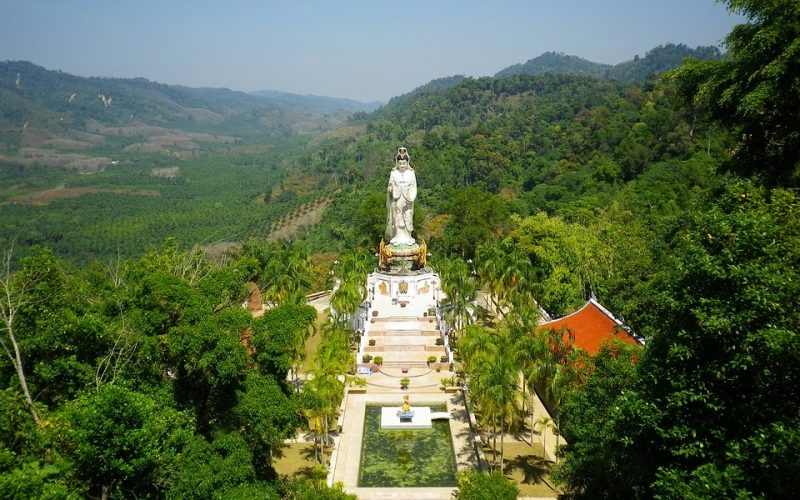
Thailand's northern highlands are a world apart from the country's tropical coastline. The mountains surrounding Chiang Mai and Chiang Rai are home to misty valleys, ancient temples, and highland villages that have preserved their traditions for centuries. Doi Inthanon, Thailand's highest peak, offers cool temperatures and a network of scenic trails that wind through cloud forests — a stark contrast to the heat that blankets most of the country year-round.
Plateaus and river plains
Moving east, the landscape transitions into the Khorat Plateau, a vast highland region that forms the bulk of Isan — Thailand's northeast. This is where the country feels most like itself, far from the tourist trail. The Mekong River carves the region's eastern boundary, passing through sleepy towns where locals fish at dusk and riverside markets come alive in the early morning. Isan is also rich in Khmer heritage, with temple complexes like Phanom Rung rising dramatically from the plateau and rivalling anything found in Cambodia.
Beyond the famous islands
Thailand's southern peninsula stretches for hundreds of kilometres, yet most visitors head straight for the same handful of islands. Koh Lanta, Koh Kood, and the Trang Islands offer the same clear water and limestone karsts as their more famous neighbours — with far fewer crowds. The Andaman Coast is particularly striking, where mangrove forests meet the sea and sea caves can only be reached by kayak at low tide. These quieter corners reward those willing to venture a little further south.
The central plains and river delta
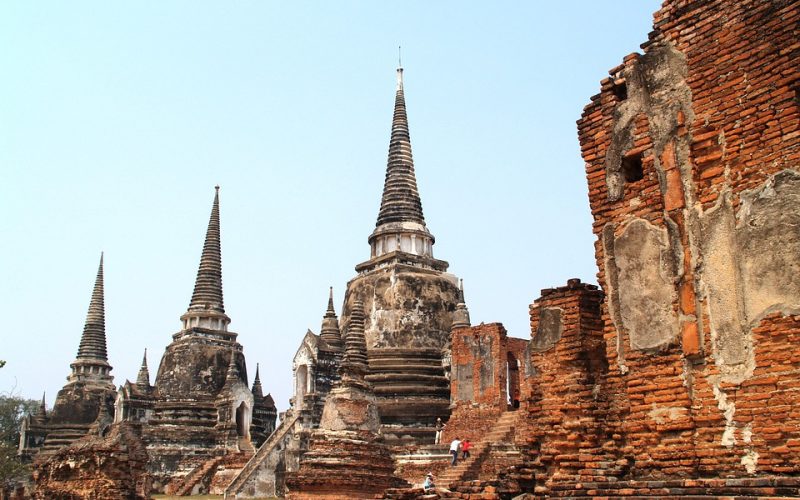
Central Thailand tends to be overlooked, yet it holds the country's agricultural heartland. The Chao Phraya River basin is a patchwork of rice paddies, river towns, and ancient ruins. Sukhothai, the former capital of the first Thai kingdom, sits quietly amid this landscape — its crumbling temples and lotus-filled ponds best explored by bicycle at sunrise before the heat sets in. Further south, Ayutthaya's ruins rise from the confluence of three rivers, telling the story of a kingdom that once traded with Europe, Persia, and China.
Wetlands and wildlife corridors
Thailand's interior wetlands are home to some of Southeast Asia's most significant wildlife. Khao Yai National Park, a UNESCO World Heritage Site, protects a vast tract of forest where elephants, gibbons, and hornbills are regularly spotted. Further south, Thale Noi is a freshwater lake fringed with lotus flowers and visited by migratory birds from as far away as Siberia. These ecosystems sit alongside the more visited national parks but attract a fraction of the footfall, making them ideal for travellers who prefer quiet encounters with nature.
A country shaped by geography
What makes Thailand so compelling is how dramatically its geography shifts from one region to the next. The same country that has mist-covered mountain peaks in the north also has salt flats in the south and ancient floodplains at its centre. Each landscape carries its own culture, cuisine, and pace of life. The north is known for its earthy, herb-laden dishes; Isan for its spicy grilled meats and sticky rice; the south for its rich coconut curries shaped by Malay and Indian influences.
Where to start exploring
For travellers who have already seen Bangkok and the main islands, Thailand's hidden landscapes offer a genuinely different experience. Start with a few days in Chiang Rai before crossing into the Golden Triangle, then head east to Isan's Mekong towns before looping back through Sukhothai. This kind of route moves slowly, but that is precisely the point — it allows the country's quieter, more textured side to reveal itself at its own pace.